The Natural Foundation of Parker Properties
Parker represents a distinctive blend of established residential communities and growing commercial development within the Dallas-Fort Worth metropolitan area. Properties throughout this Collin County location benefit from the region’s natural limestone formations and the aesthetic traditions that favor durable, weather-resistant materials. Homeowners and business operators increasingly recognize that permanent installations complement the area’s architectural character while withstanding the challenging weather patterns common to North Texas.
The community’s development patterns favor properties with clear identification features, particularly as neighborhoods expand and new visitors navigate increasingly complex street layouts. Effective wayfinding becomes essential in areas where similar home designs and winding streets can create confusion. Natural materials integrated thoughtfully into landscapes provide functional solutions while enhancing overall property presentation.
Seasonal temperature variations in Parker demand materials capable of enduring extreme heat during summer months and occasional freezing conditions in winter. Traditional signage materials often deteriorate under these conditions, requiring replacement or constant maintenance. Property owners seeking lasting solutions turn to materials proven to maintain structural integrity and visual appeal regardless of weather exposure, creating installations that serve for generations rather than years.
Elevating Curb Appeal with Lasting Address Markers
Residential address identification serves multiple purposes beyond simple navigation. First responders depend on clear, visible markers when seconds matter during emergencies. Delivery services require easily identifiable locations to ensure packages reach intended destinations. Guests appreciate distinctive markers that eliminate confusion when visiting for the first time. These practical considerations combine with aesthetic benefits to make address identification a worthwhile investment for any property owner.
Traditional address plaques mounted on structures or mailbox posts present ongoing maintenance challenges. Paint fades under constant sun exposure, requiring periodic refinishing. Metal components rust or corrode, particularly where irrigation systems create persistent moisture. Plastic materials become brittle and crack over time. Mounting hardware loosens, leading to tilted or fallen markers that create poor impressions. The cycle of replacement becomes both expensive and frustrating for homeowners seeking reliable solutions.
Natural stone addresses these shortcomings through inherent durability and timeless presentation. Carved identification becomes part of the material itself rather than a surface treatment vulnerable to weathering. Proper installation creates a permanent landscape feature that requires no ongoing maintenance beyond occasional cleaning. The substantial presence of stone creates visual hierarchy in landscape design, establishing a focal point that welcomes visitors while clearly marking property boundaries. This approach transforms a functional necessity into an architectural element that enhances overall property value.
Placement considerations significantly impact effectiveness. Positioning markers where headlights illuminate them during evening hours ensures year-round visibility. Integrating lighting design around stone features extends functionality into nighttime hours while creating dramatic landscape effects. Coordinating marker style with existing architectural elements creates cohesive design language throughout the property. These details separate thoughtful installations from basic identification solutions, demonstrating attention to quality that prospective buyers recognize during property evaluations.
Establishing Brand Authority at Business Locations
Commercial properties face distinct identification challenges compared to residential applications. Businesses require visibility from moving traffic, often at higher speeds than residential streets. Brand recognition depends on consistent presentation that communicates professionalism and permanence. Multi-tenant developments need clear wayfinding to direct customers to specific locations within complex layouts. These requirements demand signage solutions that command attention while meeting municipal regulations and maintaining aesthetic standards.
Monument signage represents a significant upgrade from standard post-mounted signs or building-mounted letters. The substantial ground presence creates immediate visual impact, signaling established operations rather than temporary ventures. This perception matters considerably in competitive markets where customers make quick judgments about business credibility. Professional installations communicate investment in quality, suggesting similar standards in products or services offered. The psychological impact of substantial, permanent markers should not be underestimated when considering customer acquisition and retention.
Natural stone monuments offer particular advantages for businesses planning long-term operations in Parker. The material withstands decades of exposure without requiring the repainting, panel replacement, or structural repairs common with alternative monument types. Design flexibility accommodates corporate branding requirements while maintaining the authentic character that only genuine materials provide. Integration with landscape features creates cohesive site development that enhances overall property presentation, benefiting property values and tenant appeal in commercial developments.
Municipal regulations often govern commercial signage dimensions, placement, and illumination. Working with experienced fabricators ensures compliance while maximizing visual impact within allowable parameters. Proper permitting prevents costly mistakes and ensures installations meet structural requirements for wind loads and seismic considerations. Professional design services help businesses achieve brand objectives within regulatory frameworks, creating distinctive identification that serves marketing purposes while meeting all legal requirements.
Creating Neighborhood Recognition and Property Value
Planned developments and established neighborhoods throughout Parker benefit significantly from distinctive entrance markers that establish community identity. These features serve practical wayfinding functions while creating psychological boundaries that define neighborhood character. Well-designed entrance statements communicate maintenance standards, architectural expectations, and community pride to both residents and visitors. The investment in quality entrance features correlates directly with property value appreciation and buyer perception during real estate transactions.
Homeowner associations face ongoing budget pressures when maintaining community features. Entrance markers constructed from materials requiring periodic replacement or frequent maintenance create recurring expenses that strain budgets and increase assessment requirements. Selecting durable materials during initial development or renovation projects eliminates these future costs while ensuring consistent presentation. The decision represents fiscal responsibility that benefits all property owners through stable assessment rates and enhanced community appearance.
Design considerations for neighborhood entrances extend beyond simple identification. Successful installations incorporate landscape elements that create visual interest throughout seasons, complement architectural themes prevalent in the community, and establish appropriate scale relative to street dimensions and traffic patterns. Lighting integration extends visibility into evening hours while creating welcoming ambiance. Material selection should reflect quality standards residents expect throughout the community, setting appropriate tone for property maintenance expectations.
Boulder Designs by Custom Stonecraft brings specialized knowledge to Parker communities through personalized consultation services that address specific site conditions and community requirements. Their approach begins with understanding the vision residents and developers have for their community character, then translates those concepts into practical designs that function effectively while creating lasting visual impact. Professional installation ensures proper foundation work that prevents settling or movement over time, maintaining alignment and presentation for decades. The combination of artistic sensibility and technical precision delivers entrance features that become recognized landmarks within the broader Parker area.
Honoring Memories with Enduring Tributes
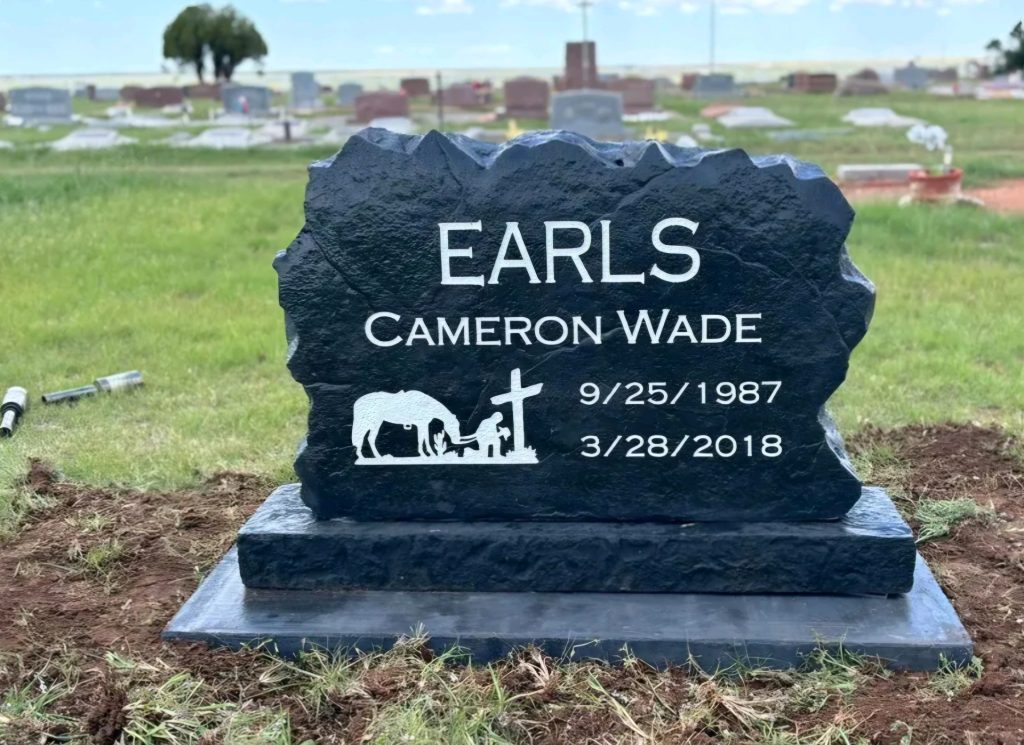
Memorial applications represent perhaps the most emotionally significant category of stone work, where craftsmanship directly impacts how families remember and honor loved ones. These installations serve both immediate emotional needs and long-term commemoration purposes, requiring materials and techniques that ensure legibility and structural integrity across generations. The permanence of stone aligns naturally with the desire to create lasting tributes that withstand time’s passage while maintaining dignity and beauty.
Family properties, memorial gardens, and private estates increasingly incorporate commemorative features that celebrate lives, mark significant events, or honor beloved pets. These personal memorials provide focal points for reflection and remembrance, creating dedicated spaces where families gather to maintain connections with those who have passed. Unlike temporary markers or placements in distant locations, property-based memorials remain accessible and integrated into daily life, offering comfort through proximity and familiarity.
Design sensitivity becomes particularly important in memorial applications. Typography selection, layout composition, and supplementary design elements must balance aesthetic appeal with appropriate solemnity. Personal details such as favorite quotes, symbolic imagery, or representations of hobbies and interests transform generic markers into meaningful tributes that capture individual character. Professional craftspeople bring both technical skill and emotional understanding to these projects, guiding families through design decisions during difficult times while ensuring final results honor intentions appropriately.
Material selection affects long-term appearance as natural weathering occurs. Some stone varieties develop patina that adds character over time, while others maintain original appearance for decades. Understanding these characteristics helps families select materials aligned with their vision for how memorials will age. Proper engraving depth and technique ensure legibility persists regardless of natural weathering processes, while quality finishing prevents premature deterioration. These technical considerations, handled properly during initial fabrication, protect the emotional investment families make in memorial projects, ensuring tributes remain as intended for generations to come.